



Owning rental property in Dallas can be a strong long-term investment, but profit does not happen automatically. SGI Property Management often sees landlords lose money not because they bought a bad property, but because small decisions pile up over time.
A weak screening process, skipped inspections, delayed repairs, or a poorly managed turnover can turn a good rental into a stressful one. The goal is not to overcomplicate ownership. The goal is to run the property like an investment, with clear standards, documentation, and a plan for protecting cash flow.
Key Takeaways
- Buying the wrong rental can create repair costs that erase expected cash flow before the property ever performs.
- Poor tenant screening increases the risk of late rent, property damage, and avoidable turnover.
- Skipping inspections makes it harder to prove damage, protect the security deposit, and catch problems early.
- Delayed maintenance often turns small repairs into expensive projects.
- Slow tenant turnovers can create unnecessary vacancy loss and reduce annual rental income.
The Real Cost of Small Property Management Mistakes
Most landlord mistakes do not feel expensive in the moment. Skipping a mid-lease inspection saves time today. Waiting on a minor leak feels harmless. Approving a tenant because they were referred by someone you trust may seem reasonable.
The challenge with rental property profit is that it depends on consistency. Net operating income (NOI) is measured by income after necessary operating expenses, so every repair, vacancy, and collection issue directly impacts the investment’s performance. Rental property operating expenses play a critical role in determining overall returns.
For Dallas landlords, the market can be competitive, but competition does not remove the need for discipline. A property still has to be purchased correctly, priced realistically, maintained properly, and leased to qualified tenants.
Mistake 1: Buying a Property That Only Looks Good on Paper
A rental property can look profitable in a spreadsheet and still become a money pit.
Older homes, heavy deferred maintenance, poor layouts, outdated systems, and weak locations can all create problems after closing. The purchase price may look attractive, but if the home needs constant repairs or sits vacant longer than expected, the numbers can change quickly.
Before buying, landlords should look closely at:
- Age and condition of major systems
- Roof, plumbing, electrical, and HVAC condition
- Estimated rent-ready costs
- Neighborhood rental demand
- Expected maintenance frequency
- Property taxes, insurance, and future capital expenses
This is especially important for accidental landlords who may be keeping a former home as a rental. Moving from homeowner thinking to investor thinking requires a different mindset, and transitioning from accidental landlord to investor starts with understanding the property as a business asset.
A lower purchase price is not always a better deal. If the property requires constant repairs, attracts the wrong tenant profile, or needs major updates to compete, the discount can disappear fast.
Mistake 2: Treating Tenant Screening Like a Formality
Tenant screening should never be skipped, even when the applicant is referred by a friend, family member, or current tenant.
A referral can be helpful, but it is not a substitute for a consistent rental application process. Landlords need to verify whether the applicant can afford the rent, has a history of paying obligations, and is likely to care for the property.
A strong screening process usually reviews:
- Income and employment
- Credit history
- Rental history
- Eviction history where legally allowed
- Background information where legally allowed
- References from prior landlords
The key is consistency. Screening standards should be applied the same way to every applicant to avoid subjective decisions and reduce fair housing risk. Federal housing rules prohibit discrimination in most rental housing, so landlords should understand the basics of fair housing responsibilities before creating or applying rental criteria.
Poor screening can lead to late payments, property neglect, lease violations, and expensive removals. A vacant property is costly, but placing the wrong tenant can be worse.
Mistake 3: Skipping Move-In, Mid-Lease, and Move-Out Inspections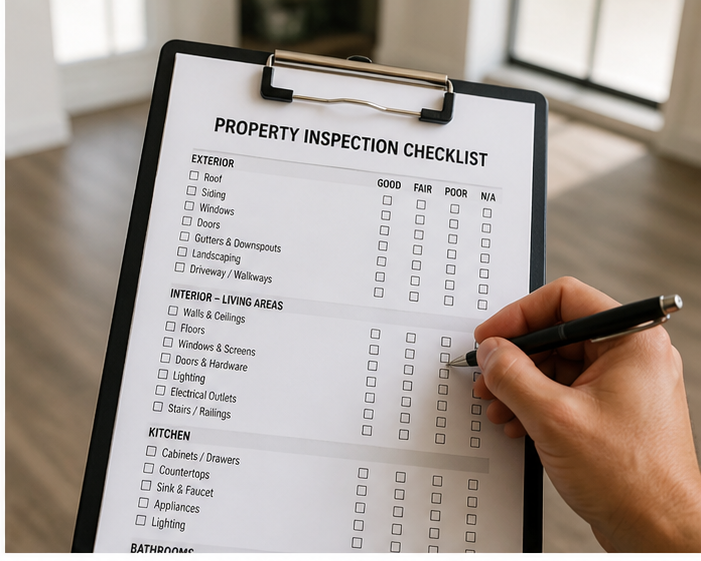
Inspections are one of the most practical tools landlords have for protecting the property.
A detailed move-in inspection creates a record of the property’s condition before the tenant takes possession. A move-out inspection allows the landlord to compare the condition at the end of the lease. Without that documentation, it becomes much harder to determine what is normal wear and tear versus tenant-caused damage.
A good inspection process should include:
- Clear photos
- Notes on walls, flooring, appliances, fixtures, and exterior areas
- Documentation of cleanliness and working condition
- Tenant acknowledgement when appropriate
- Organized records that can be referenced later
Mid-lease inspections are also important. They allow landlords to identify lease violations, unauthorized pets, deferred maintenance, leaks, or damage before the situation gets worse.
Security deposits are another area where documentation matters. Texas landlords need to handle deposit deductions carefully, and Texas security deposit return rules can affect how damages are documented and communicated after move-out.
Mistake 4: Delaying Maintenance Until It Becomes Expensive
Deferred maintenance is one of the easiest ways to lose money on a rental property.
A small plumbing leak can lead to cabinet damage, flooring damage, mold concerns, and drywall repairs. A minor HVAC issue can become an emergency service call during peak season. A loose handrail, broken step, or drainage issue can create safety and liability concerns.
Landlords can often deduct ordinary and necessary expenses related to managing, conserving, and maintaining a rental property, including certain repairs and maintenance that keep it in good operating condition. Rental real estate expense rules determine which costs qualify and how they can be applied.
From an operational standpoint, the better approach is simple: handle small issues while they are still small.
Tenants are also more likely to renew when maintenance is handled professionally. That matters because tenant retention reduces turnover costs, vacancy time, leasing expenses, and wear from repeated move-ins and move-outs.
Mistake 5: Waiting Until Move-Out to Handle Everything
Tenant turnover is where many landlords lose more money than they realize.
Every vacant day is lost rent. If a tenant moves out and the landlord is just starting to gather bids, schedule repairs, clean the home, and prepare marketing, the vacancy period can stretch longer than necessary.
A better turnover process starts before the tenant leaves.
Landlords should review known repair items during the lease, complete maintenance when access allows, and prepare vendors before the move-out date. The goal is to reduce downtime between tenants without cutting corners on property condition.
A strong turnover process includes:
- Pre-move-out communication
- Early repair planning
- Vendor scheduling
- Cleaning and landscaping coordination
- Rent-ready inspection
- Updated photos and listing preparation
- Clear pricing strategy based on market conditions
Property condition also affects leasing speed. Many of the same presentation details that help owners sell a home can help rental listings perform better, including cleanliness, curb appeal, and small updates. SGI has covered related preparation ideas in tips to sell a home fast, many of which also apply when presenting a rental to prospective tenants.
Better Property Management Comes Down to Process
The landlords who usually perform best are not guessing their way through ownership. They have repeatable systems.
They know what type of property they want to buy. They screen every tenant consistently. They inspect and document property condition. They respond to maintenance early. They manage turnovers with urgency.
None of those steps are flashy, but they protect the investment.
A Dallas rental property should be evaluated as both a real estate asset and an operating business. The purchase matters, but so does everything that happens after closing.
Note: Rental laws, fair housing rules, security deposit requirements, and tax treatment can vary based on the situation. Property owners should consult a qualified attorney, CPA, or local professional before making legal, financial, or tax decisions.
Final Thoughts
Avoiding costly property management mistakes is not about being perfect. It is about being proactive. SGI Property Management helps Dallas landlords think through the details that protect income, reduce avoidable expenses, and keep rental properties operating more smoothly over time.