


_9.jpg)
Key Takeaways
Rising sea levels, floods, storms, wildfires, subsidence, and heatwaves are increasing property damage risks and operating costs.
Climate change can lead to higher insurance premiums, rising construction costs, shifting buyer preferences, and declining property values in high-risk areas.
Investors should research climate risks, conduct regular inspections, prepare for emergencies, and upgrade properties to improve resilience.
Spreading investment across different markets and asset types helps reduce exposure to climate-related losses and future-proofs portfolios.
A decade ago, climate change seemed like a distant threat. Unfortunately, we’re starting to see its effects today. This includes shifting weather patterns, extreme weather changes, and more frequent natural disasters, such as floods, droughts, and wildfires.
Unfortunately, real estate is not immune to these potential dangers.
If you’re a property owner or a real estate investor, you need to start preparing for climate-related risks. Ensuring your properties can withstand the impacts of climate risks is the key to future-proofing your investment.
In this guide, the experts at SGI Property Management Dallas will go over the best strategies to safeguard your investment from rising climate risks.
Ready For More Information?
How Climate Change Affects Real Estate Investments
Along with climate change comes changing weather patterns and more frequent and devastating natural disasters. Real estate isn’t immune to these problems.
In fact, climate risks are already affecting many properties. Here’s what it looks like:
Sea Levels Rising
As the temperature of the Earth rises, so do sea levels. In recent years, this has caused severe coastal flooding, which results in seawater damage and exceedingly costly property damage.
Flooding
Over the past years, we’ve seen an increase in floods throughout the world. Properties in flood zones are at high risk of water damage, structural issues, and damage to personal items.
As this problem becomes more frequent, it can cause the costs of repairing and maintaining properties to rise significantly.
Extreme Storms and Wind
Most properties aren’t equipped to handle large-scale storms, such as hurricanes or tropical storms. As these incidents become more frequent, it will become harder and more costly to repair and maintain properties in affected areas.
Wildfires
Warmer springs and longer summers create the perfect environment for wildfires.
Unfortunately, many residential and commercial properties have been built in wildfire-prone areas. If a fire isn’t contained in time, this can lead to huge financial losses.
Subsidence
As soil erosion increases, more properties will be at risk of subsidence. In worst-case scenarios, the structural damage will be so bad that it can’t be repaired, leaving the property useless and the land too unstable to build on again.
Want to Know More About Your Property?
Heat and Water Stress
More frequent and longer heatwaves mean increased cooling needs, leading to higher operating costs and utility bills.
Additionally, droughts can result in declining property values and income, as no one wants to live in an area with higher water prices or strict water usage regulations.
Property Value Concerns
In addition to the physical damages outlined above, climate change can also impact a property’s value and bottom line.
Here are some risks investors should be aware of:
Increased Construction Costs
Activities like construction, renovation, and demolition contribute significantly to indirect emissions, which make them more prone to increased regulations and new policies. This can lead the cost of materials to increase significantly over the upcoming years.

Higher Insurance Premiums
As natural disasters become more common, it’ll become more difficult to insure properties in high-risk areas. Whether because no company wants to insure them or because premiums increase significantly.
Shifting Market Preferences
As more tenants and buyers are gaining awareness of the dangers of climate change, their preferences will change. Will most likely see a shift towards eco-friendly buildings in the upcoming years. Investors who stick to the old ways will be left behind.
Declining Property Values
Properties in high-risk areas are not only prone to property damage, but also declining desirability. As demand and rental income decline, so will property values.
How to Assess and Mitigate Climate Risks in Real Estate
Climate change poses many challenges for property owners, from higher insurance premiums to property damage caused by natural disasters.
But this doesn’t mean that all investments are destined to fail. In fact, there are plenty of things you can do to mitigate climate risks and ensure your investment remains profitable for the years to come. Here are some examples:
Want to Know More About Us?
Research the Area
There are many resources available online that let you identify the biggest climate risks affecting an area, such as FEMA’s National Risk Index or First Street.
If you’re buying, these tools can help you identify high-risk areas to avoid. If you already own a property, this information will help you take action to protect your investment.
Be Prepared for Emergencies
Even if your property isn’t located in a high-risk area, it can still be vulnerable to climate risks.
Understanding what the most pressing challenges in your area are will help you plan for potential emergencies or invest in upgrades to help mitigate the risks as much as possible.
Conduct Thorough Inspections
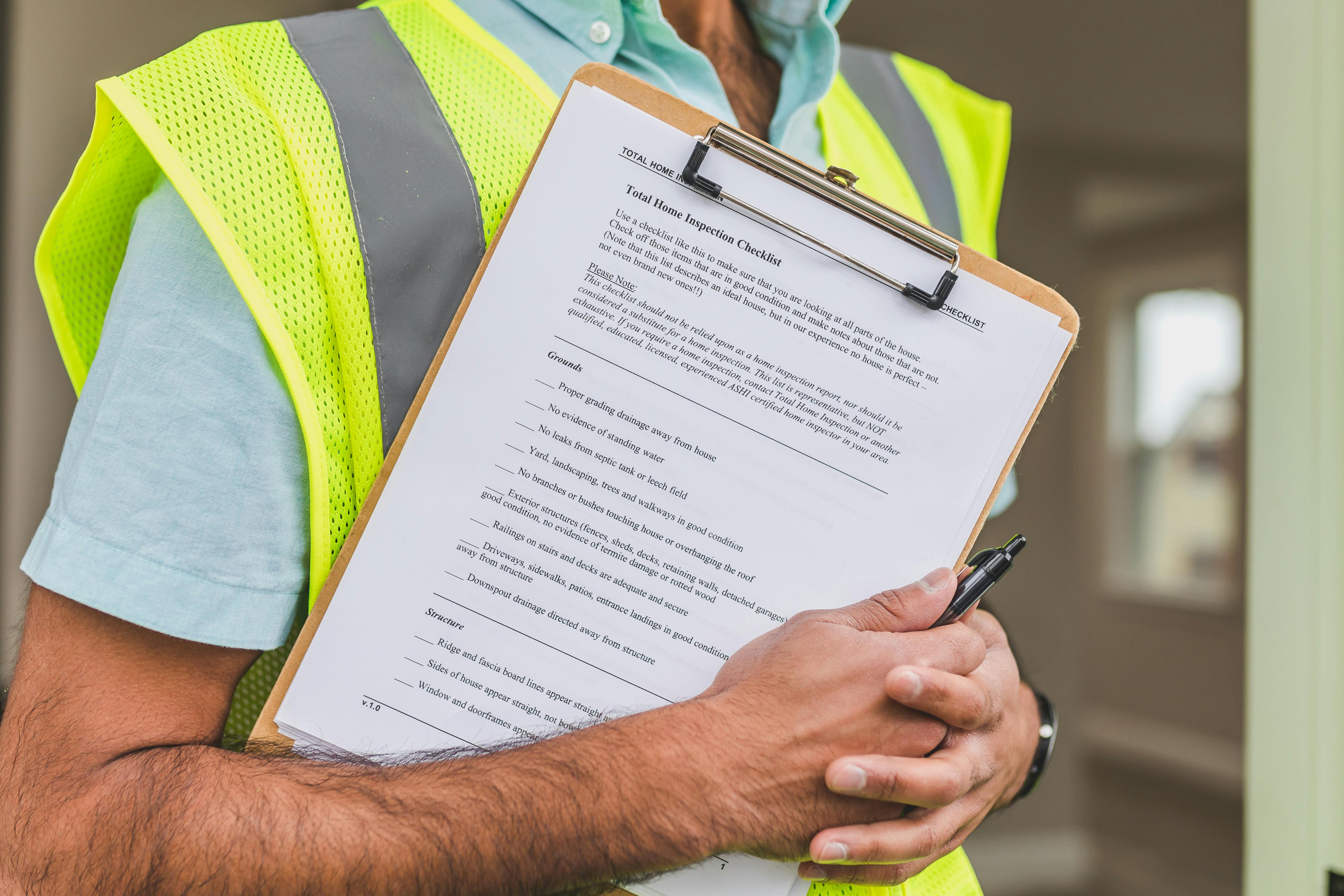
If you already own an investment property, then it’s key to conduct at least one thorough property inspection a year. Pay close attention to drainage systems, roofing, foundations, and building materials, as these can be incredibly costly to repair or replace.
If you’re thinking of buying real estate, inspecting the property can save you thousands of dollars in repairs.
Diversify Your Portfolio
To avoid losses, you should aim to diversify your portfolio among different markets. Additionally, it’s a good idea to look into other assets you can invest in, like crypto or stocks, for increased protection.
Ready to Get Started?
Bottom Line
Climate change’s consequences, such as extreme seasons, changing weather patterns, and more frequent natural disasters, are bound to have a direct impact in our day-to-day lives.
If you own real estate, now is the perfect time to start thinking about how you can protect your investment from these climate risks. Otherwise, you risk extensive property damage and huge losses.
By following the tips outlined above, you’ll be better prepared to future-proof your investment. Unsure of how to protect your Texas real estate investment? Contact SGI Property Management Dallas for guidance today!