


_15.jpg)
Key Takeaways
Sustainable rental portfolio growth in Dallas depends on strategic planning, string ash flow, and disciplined decision-making.
Understanding Dallas submarkets, rental demand, and local development trends helps investors identify neighborhoods with strong long-term potential.
Reinvesting rental income, diversifying property types, and maintaining smart financing strategies can improve portfolio stability and scalability.
Building efficient systems and using professional property management can support long-term portfolio growth.
Growing a rental portfolio in Dallas involves more than simply purchasing additional properties. Sustainable growth usually comes from careful planning, market awareness, disciplined financing, and consistent operations.
Many investors begin with one rental home and eventually decide to scale further. The challenge is expanding without creating unnecessary financial pressure or operational problems.
In a fast-moving market like Dallas-Fort Worth, opportunities for growth continue across multiple property types and neighborhoods, but successful expansion often depends on strategic decision-making rather than rushing into acquisitions.
In this article, SGI Property Management Dallas will go over how to grow your rental portfolio.
Want More Information?
Start With Clear Investment Goals
Some property owners focus on monthly cash flow, while others prioritize long-term appreciation, passive income, early retirement planning, or building generational wealth through real estate.
Clear goals help shape decisions involving property selection, financing structure, risk tolerance, neighborhood targeting, portfolio size, and rental strategy. Without a long-term direction, investors may end up purchasing properties that do not align with their financial objectives.
Learn the Dallas Market Before Scaling
Dallas contains a wide variety of submarkets, and each area behaves differently in terms of pricing, tenant demand, appreciation trends, school districts, and rental competition.
Neighborhoods attracting strong family demand may perform differently than areas catering to students, professionals, or short-term renters.
Investors should regularly monitor rental pricing trends, vacancy rates, population growth, employment centers, infrastructure development, property tax changes, and school district demand.

Research helps investors identify which areas support stronger long-term rental performance.
The Dallas-Fort Worth metroplex continues expanding outward, and growth patterns can shift quickly as new developments, highways, retail centers, and employers enter surrounding communities.
Investors who stay informed about local development trends are often better positioned to identify neighborhoods with strong long-term rental potential before competition intensifies.
Focus on Cash Flow Before Rapid Expansion
Strong cash flow provides flexibility for future down payments, emergency reserves, maintenance expenses, renovations, vacancy periods, and financing opportunities.
Many experienced investors focus on stabilizing one property fully before acquiring another. This often creates a stronger financial foundation for long-term scaling. In Dallas, appreciation potential matters, but monthly operating numbers still remain important.
Investors who rely too heavily on future appreciation while ignoring day-to-day operating performance may face financial strain if market conditions shift unexpectedly.
Want to Know More About Your Dallas Property?
Reinvest Rental Income Strategically
One of the most common ways investors grow portfolios is by reinvesting profits from existing rentals. Over time, rental income may help fund down payments, property upgrades, debt reduction, and additional acquisitions.
Some investors use a gradual approach where one property eventually helps support the purchase of the next. As equity builds, refinancing or home equity access may also create opportunities for further investment.
Diversification Can Improve Stability
Relying too heavily on one property type, tenant demographic, or neighborhood may increase exposure to market fluctuations.
Dallas investors may choose to diversify through single-family homes, duplexes, townhomes, small multi-family properties, different price ranges, or multiple neighborhoods. Diversification can also help reduce income disruption if one property experiences temporary vacancy or repairs.
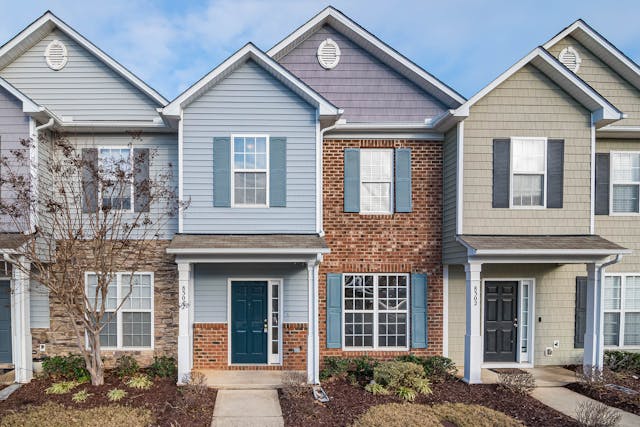
For example, some investors balance suburban family rentals with smaller urban units that attract young professionals or students. Different renter groups may respond differently during changing economic conditions.
Build Systems Before Expanding Further
Many investors initially self-manage one or two rentals successfully but eventually struggle as additional properties increase maintenance requests, lease coordination, rent collection, and tenant communication demands.
Before scaling significantly, investors should create systems for maintenance tracking, lease renewals, vendor coordination, financial reporting, inspections, tenant screening, and emergency response procedures.
Organization often becomes one of the biggest differences between manageable portfolio growth and operational burnout.
Want to Know More About Us?
Financing Strategy Matters Long-Term
Some investors prioritize lower monthly payments for stronger cash flow, while others focus on paying down debt more aggressively to increase borrowing flexibility later.
Understanding financing structures is important because loan terms affect monthly profitability, debt-to-income ratios, refinancing opportunities, and future purchasing power.
Maintaining strong financial records and responsible debt management may also improve lender confidence as portfolios grow.
Technology Can Simplify Portfolio Growth
Many investors use digital tools to help manage rent collection, accounting, maintenance requests, lease storage, tenant communication, and vacancy marketing.

Data analytics also help investors evaluate rental pricing trends, occupancy patterns, and neighborhood performance more efficiently. As portfolios expand, technology often becomes necessary for maintaining organization and reducing administrative workload.
Property Management Can Support Faster Scaling
One reason some investors struggle to grow is because daily management responsibilities consume too much time. Handling tenant communication, maintenance coordination, lease enforcement, and emergencies across multiple properties can quickly become overwhelming.
Professional property management can help investors scale more efficiently by creating operational support systems that reduce workload and improve consistency.
Experienced management companies often assist with tenant screening, leasing, inspections, rent collection, maintenance coordination, vendor management, and financial reporting.
For investors balancing real estate alongside careers or other businesses, professional management may create more flexibility for long-term portfolio growth.
Ready to Get Started?
Sustainable Growth Usually Outperforms Fast Growth
Many successful rental portfolios are built gradually over time rather than through rapid acquisition. Strong growth often depends on careful property selection, stable cash flow, market research, conservative financial planning, and consistent operations.
Dallas continues offering opportunities for investors because of ongoing population growth, employment expansion, and strong housing demand. However, long-term success usually comes from disciplined decision-making rather than chasing short-term trends.
Property owners looking to grow their portfolios while simplifying operations can benefit from partnering with an experienced property management team.
Professional management helps coordinate leasing, maintenance, tenant communication, inspections, and day-to-day operations while supporting long-term portfolio performance and protecting investment value.
Contact SGI Property Management Dallas today to get started.